Shoulder Pain Physiotherapy Treatment: A Safe and Effective Way to Restore Mobility

Shoulder pain is one of the most common musculoskeletal problems affecting people of all ages. Whether caused by poor posture, sports injuries, repetitive movements, frozen shoulder, rotator cuff injuries, or arthritis, shoulder pain can significantly impact daily activities. Simple tasks such as lifting objects, reaching overhead, dressing, or even sleeping can become challenging. Fortunately, Shoulder Pain Physiotherapy Treatment offers a non-surgical and highly effective solution to reduce pain, improve mobility, and restore shoulder function.
Physiotherapy focuses on identifying the root cause of shoulder pain and creating a personalized treatment plan to address the problem. Through targeted exercises, manual therapy, posture correction, and pain management techniques, physiotherapists help patients recover safely and prevent future injuries.
Common Causes of Shoulder Pain
Shoulder pain can develop due to various conditions, including:
- Rotator cuff injuries
- Frozen shoulder (adhesive capsulitis)
- Shoulder impingement syndrome
- Tendinitis and bursitis
- Arthritis of the shoulder joint
- Sports-related injuries
- Muscle strain and ligament sprains
- Poor posture and repetitive stress injuries
Early diagnosis and treatment are essential to prevent the condition from worsening and affecting overall quality of life.
Benefits of Shoulder Pain Physiotherapy Treatment
1. Pain Relief Without Medication
Physiotherapy uses evidence-based techniques such as manual therapy, therapeutic exercises, and modalities like ultrasound therapy or TENS to reduce pain naturally.
2. Improved Range of Motion
Stiffness is a common symptom of shoulder disorders. Stretching and mobility exercises help restore normal movement and flexibility.
3. Strengthening Weak Muscles
Weak shoulder and upper back muscles often contribute to pain and instability. Physiotherapy focuses on strengthening these muscles to improve joint support.
4. Faster Recovery from Injury
Whether recovering from a sports injury or surgery, physiotherapy accelerates healing and helps patients return to normal activities safely.
5. Prevention of Future Problems
Physiotherapists educate patients on posture correction, ergonomic modifications, and exercise routines to prevent recurring shoulder pain.
Physiotherapy Techniques for Shoulder Pain
A comprehensive treatment plan may include:
- Manual therapy and joint mobilization
- Stretching exercises
- Strengthening programs
- Postural correction exercises
- Soft tissue release techniques
- Electrotherapy and ultrasound therapy
- Functional rehabilitation
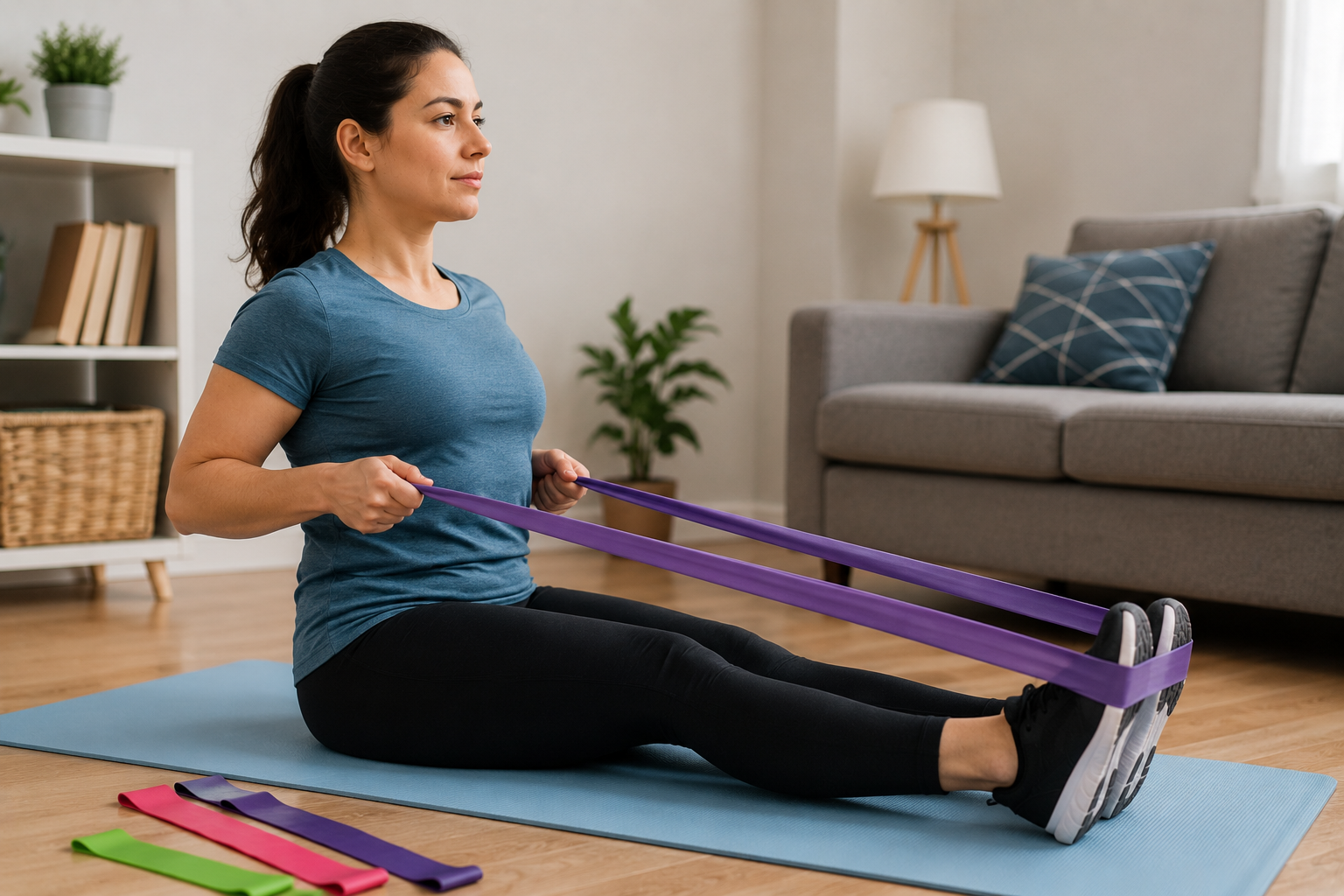
- Home exercise programs
The treatment approach is customized according to the individual’s condition, severity of symptoms, and lifestyle requirements.
When Should You See a Physiotherapist?
Consult a physiotherapist if you experience:
- Persistent shoulder pain lasting more than a few days
- Difficulty lifting or moving your arm
- Shoulder stiffness and restricted movement
- Pain while sleeping
- Weakness in the shoulder or arm
- Recurring sports-related shoulder injuries
Early intervention can help prevent chronic pain and long-term complications.
Conclusion
Shoulder pain can interfere with daily life, work performance, and recreational activities. However, with the right Shoulder Pain Physiotherapy Treatment, individuals can achieve significant pain relief, improved mobility, and enhanced quality of life. Physiotherapy offers a safe, effective, and non-invasive approach to treating shoulder conditions while addressing the underlying cause of discomfort. Whether you are dealing with an injury, frozen shoulder, or chronic pain, professional physiotherapy care can help you regain strength, flexibility, and confidence in your movement.
FAQs About Shoulder Pain Physiotherapy Treatment
1. What is shoulder pain physiotherapy treatment?
Shoulder pain physiotherapy treatment involves exercises, manual therapy, and rehabilitation techniques designed to reduce pain, improve mobility, and restore shoulder function.
2. How long does physiotherapy take to treat shoulder pain?
The duration varies depending on the condition. Mild cases may improve within a few weeks, while more severe conditions may require several months of treatment.
3. Can physiotherapy help frozen shoulder?
Yes. Physiotherapy is one of the most effective treatments for frozen shoulder, helping reduce stiffness and improve range of motion.
4. Is physiotherapy better than surgery for shoulder pain?
Many shoulder conditions can be successfully treated with physiotherapy, often avoiding the need for surgery. However, severe injuries may require surgical intervention.
5. What exercises are commonly used in shoulder physiotherapy?
Common exercises include shoulder stretches, pendulum exercises, rotator cuff strengthening, scapular stabilization exercises, and posture correction exercises.
6. Can I do shoulder physiotherapy exercises at home?
Yes. Physiotherapists typically provide customized home exercise programs to support recovery between treatment sessions.
7. Is shoulder physiotherapy painful?
Some discomfort may occur during rehabilitation, but treatment is generally designed to reduce pain and improve function gradually.
8. When should I seek physiotherapy for shoulder pain?
You should seek physiotherapy if shoulder pain persists, limits movement, affects sleep, or interferes with daily activities.













Post Comment