Slim Pillow for Neck Pain: How to Choose the Right Cervical Pillow for Sleeping
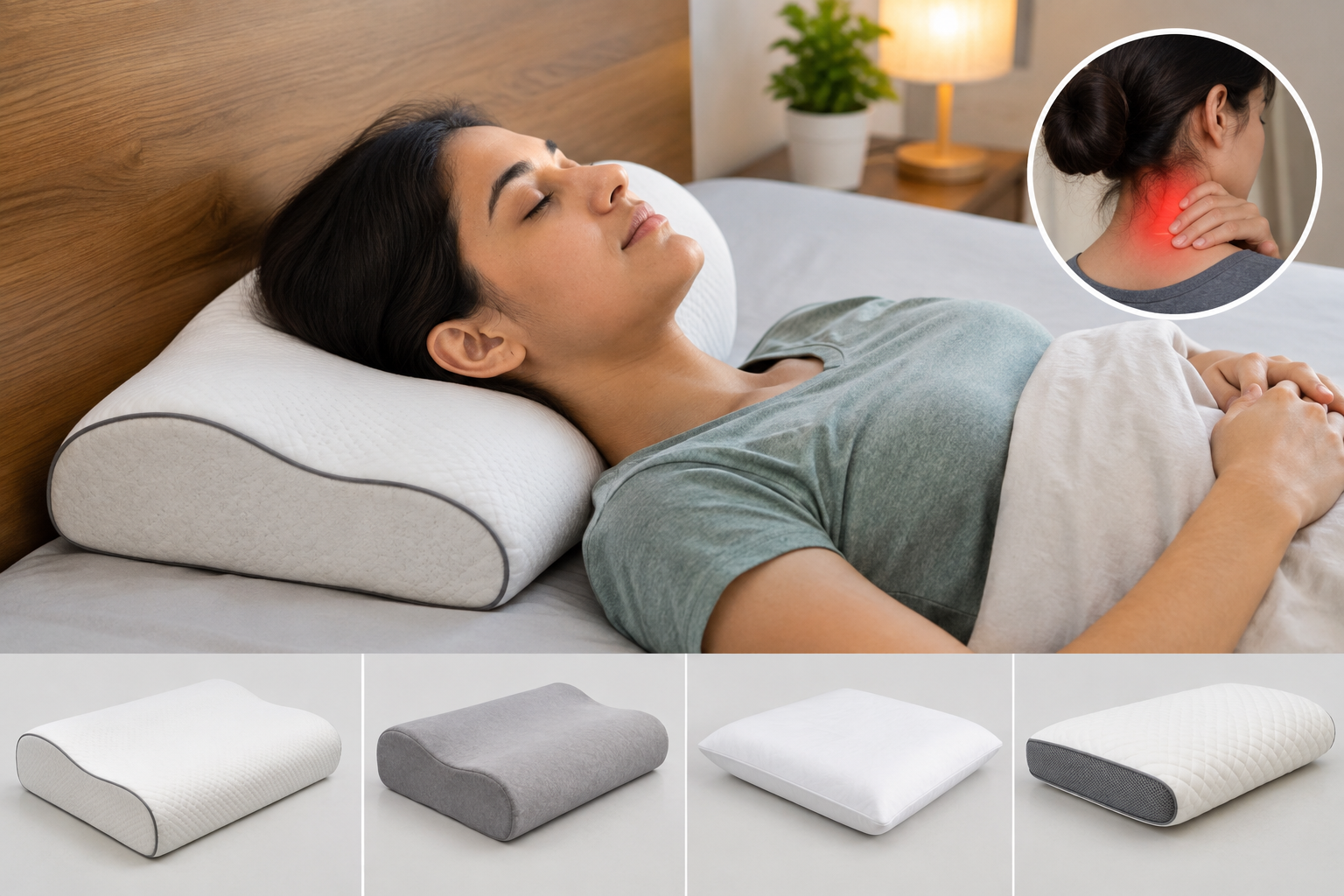
Do you ever wake up and think, “Why does my neck feel like it’s been in a wrestling match?” Yeah, been there. Look, if your mornings start with stiffness or that annoying shoulder ache, your pillow might be the sleeper villain here. And the fix? It’s simpler than you think: a slim pillow for neck pain.
Here’s the deal. Regular pillows are often way too thick. They push your head into awkward angles, messing with your spine’s natural curve. A properly sized pillow, especially a thin pillow for neck pain, keeps everything aligned. No more weird neck angles. No more morning regrets. Doesn’t that sound good?
Why Are Standard Pillows the Worst for Neck Pain?
Picture this: You lie down, expecting sweet dreams, but your thick pillow tilts your head forward all night. It squishes your cervical spine, strains your muscles, and yep, sets you up for waking misery. Now multiply this night after night. Not a pretty picture, right?
The magic of a slim pillow for neck pain? It supports your head and neck without forcing your chin into your chest. Imagine standing tall—chin up, shoulders back. That’s the alignment you want while sleeping. That’s what a slim pillow delivers.
Who Should Switch to a Thin Pillow?
Honestly, most people can benefit. But let’s get specific.
- Stomach sleepers, this one’s for you. Thick pillows twist your neck unnaturally. A thin one lets you rest easy.
- Back sleepers, especially with cervical lordosis, need a gentle curve under the neck, not bulk.
- Petite side sleepers, stop sinking into giant pillows. You need subtle support, not a pillow mountain.
- Injury recovery folks, if you’re dealing with whiplash or spondylitis, reliability beats fluff every time.
See your sleep style here? Thought so. Let’s keep going.
Finding the Right Memory Foam Slim Pillow
Okay, so you’re sold. But what should you even look for? Let’s break this down.
| Feature | What to Check | Why It Matters |
| Loft | 2–3.5 inches | Keeps spine neutral. No awkward stretching. |
| Material | Memory foam or latex | Foam cradles your shape; latex snaps back fast. |
| Shape | Contour or roll | Naturally fits your neck’s curve. |
| Firmness | Medium-firm to firm | Soft equals sinking. Firm equals proper support. |
| Cooling | Gel or bamboo covers | Nobody wants to wake up sweaty. Stay cool. |
A memory foam slim pillow changes the game for comfort and support. And if you’re dealing with cervical pillows for spondylitis, having that consistent spinal alignment means everything. (Seriously, your neck will thank you.)
Sleep Position + Perfect Pillow = Sweet, Sweet Science
Not all sleepers are the same. So how does your position affect what you need? Let’s figure it out.
- Back sleepers: Look for a gentle contour or dip. It hugs the natural curve of your neck.
- Stomach sleepers: You need ultra-thin. We’re talking minimalist here—less than 2.5 inches.
- Combo sleepers: Go for a dual-height pillow. One side’s higher, the other’s lower. Easy-peasy.
And here’s a hack: If you’re not sure, test it. Lie down in your favorite position. Grab a side profile photo (or have someone take one). If your chin is tilting up or down, change your pillow loft. Quick fix, right?
Get This: Plushness Won’t Fix Your Neck
Here’s the bottom line. Sleep isn’t about plush softness or oversized pillows. It’s about alignment. When your spine and neck work together (finally), mornings feel a whole lot better.
And we’ve got your back—literally. Head over to the Cyson website to check out ergonomic options designed for your exact sleep needs. Time to wake up pain-free.














Post Comment