Posture Correction Therapy: Benefits, Techniques, and FAQs
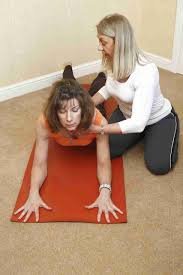
Good posture plays an important role in everyday comfort, mobility, and overall physical well-being. However, long hours at a desk, excessive mobile phone use, limited physical activity, and poor sitting habits can contribute to slouching, rounded shoulders, and neck or back discomfort. Posture Correction Therapy focuses on improving body alignment, flexibility, muscle strength, and movement habits through appropriate exercises and professional guidance.
What Is Posture Correction Therapy?
Posture Correction Therapy is an approach designed to help individuals improve the way they sit, stand, walk, and move. Depending on a person’s needs, it may include posture assessments, stretching, strengthening exercises, yoga-based movements, ergonomic adjustments, and physiotherapy guidance.
The primary goal is to encourage healthier movement patterns and support the spine’s natural curves. A personalised approach is important because posture concerns can arise from different causes, including muscle weakness, restricted mobility, workplace habits, or underlying medical conditions.
Common Signs of Poor Posture
Recognising posture-related concerns early can help people make positive changes to their daily routines. Common signs may include:
- Rounded shoulders or a forward head position.
- Slouching while sitting or standing.
- Neck, shoulder, or back discomfort.
- Muscle tightness after long periods of sitting.
- Difficulty maintaining a comfortable upright position.
- Reduced flexibility or movement comfort.
These signs do not always indicate a posture problem, so persistent or worsening symptoms should be evaluated by a qualified healthcare professional.
Benefits of Posture Correction Therapy
A suitable posture improvement programme may offer several benefits when practised consistently.
1. Better body alignment: Posture training encourages awareness of head, shoulder, hip, and spinal positioning during daily activities.
2. Improved flexibility: Appropriate stretches can help address tight muscles and support comfortable movement.
3. Stronger supporting muscles: Exercises targeting the core, back, and shoulder muscles can help support a more stable posture.
4. Greater movement awareness: Regular practice helps individuals recognise slouching and make adjustments throughout the day.
5. Improved daily comfort: For some people, changing prolonged sitting habits and following suitable exercises may help reduce posture-related muscle discomfort.
Results vary according to individual needs, consistency, and any underlying health conditions.
Techniques Used for Posture Improvement
Posture Correction Therapy may involve different techniques depending on an individual’s physical condition and goals.
- Stretching exercises: Gentle stretches may help improve flexibility in tight areas, including the chest, shoulders, and hips.
- Strengthening exercises: Core and upper-back exercises can help support the body’s natural alignment.
- Yoga-based movements: Selected yoga poses may improve body awareness, balance, flexibility, and strength when practised safely.
- Ergonomic changes: Adjusting chair height, screen position, and desk setup can encourage more comfortable working habits.
- Professional assessment: A physiotherapist or another qualified healthcare professional can identify contributing factors and recommend suitable exercises.
Exercises should be adapted to personal ability. Stop any movement that causes pain and seek professional advice when necessary.
Everyday Tips for Maintaining Good Posture
Small lifestyle changes can support healthier posture over time.
- Keep your computer screen at a comfortable viewing height.
- Sit with your feet supported and your shoulders relaxed.
- Take regular movement breaks instead of remaining seated for extended periods.
- Avoid constantly looking down at your mobile phone.
- Include appropriate physical activity and strengthening exercises in your routine.
- Practise gentle stretching or suitable yoga movements.
- Use comfortable footwear and supportive seating when needed.
Remember that good posture does not mean holding your body rigidly all day. Changing positions regularly and staying active are also important.
How to Find the Right Posture Correction Therapy
Choosing an appropriate programme starts with understanding your specific concerns. Some individuals may benefit from guided yoga therapy, while others may require physiotherapy or medical evaluation.
Before starting, consider your symptoms, mobility, activity level, and any existing injuries. A qualified professional can recommend a suitable approach and help you progress safely.
To explore posture and yoga therapy information, visit TopDoctorNearMe – Posture Yoga Therapy. The page can serve as a starting point for learning more about this treatment category and exploring relevant healthcare information.
Frequently Asked Questions (FAQs)
1. What is Posture Correction Therapy?
Posture Correction Therapy is an approach that uses suitable exercises, stretching, movement training, and lifestyle adjustments to improve posture awareness, mobility, and muscle support.
2. Who can benefit from posture correction exercises?
People who spend long hours sitting, work at computers, experience mild posture-related discomfort, or want to improve movement habits may benefit. The appropriate programme depends on individual health and physical ability.
3. Can yoga help improve posture?
Yes, selected yoga poses may help improve flexibility, strength, balance, and body awareness. Beginners should choose suitable movements and seek guidance if they have pain, injuries, or medical conditions.
4. How long does it take to improve posture?
The time required varies according to the person’s starting posture, muscle strength, daily habits, and consistency. Gradual improvements may take several weeks or longer.
5. Can poor posture cause neck and back discomfort?
Prolonged positions and muscle strain can contribute to discomfort in some people. However, pain can have many causes, so persistent symptoms should not automatically be attributed to posture alone.
6. Can I improve my posture at home?
Many people can begin with simple habits, such as adjusting their workstation, taking movement breaks, and practising appropriate exercises. People with significant pain or underlying conditions should seek professional advice before starting.
7. When should I consult a healthcare professional?
Consult a qualified healthcare professional if discomfort persists, worsens, limits daily activities, or occurs with other concerning symptoms. Sudden severe pain, new weakness, or significant numbness requires prompt medical assessment.
Conclusion
Posture Correction Therapy can be a useful part of a broader approach to improving movement habits, flexibility, strength, and everyday comfort. Combining suitable exercises with ergonomic adjustments and regular movement may help individuals develop healthier posture habits. The most appropriate approach depends on each person’s needs, and professional guidance can help ensure that exercises are safe and effective.














Post Comment