How Physiotherapy Accelerates Recovery After Knee or Joint Surgery

The decision to undergo joint surgery or knee replacement is an important one. Many people believe that after the procedure is completed, the difficult part of it has been completed. In reality, the process of the recovery process begins once the surgery is over. This is the time when post surgery physiotherapy can be a game-changer in your life.
The joint is repaired after surgery. post surgery physiotherapy allows you to use the joint once more — comfortably at ease, with confidence and free of worry.
The Initial Days Take the Fear Away
Following surgery, you’re likely to be nervous about the movement of your joint or leg. It could be a feeling of an increase in swelling, tightness or slight painfulness. A lot of patients are concerned, “What if I damage something?”
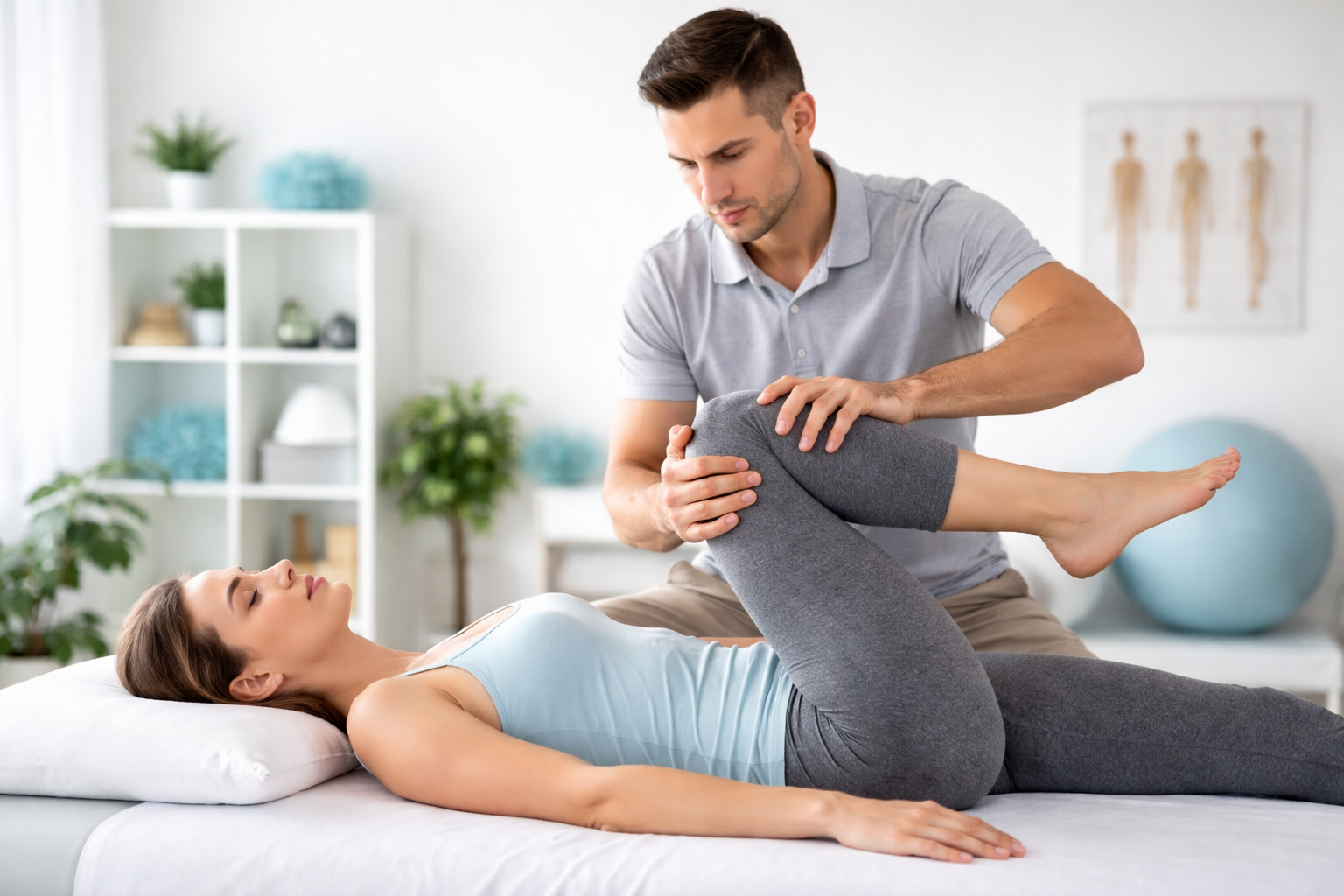
That’s exactly the reason post surgery physiotherapy begins in the early hours. An experienced physiotherapist will guide you through gentle moves which are suitable for the stage you are currently in. Small exercises can increase blood flow, decrease stiffness and help prevent problems.
The simplest actions, like bending your knee or learning to exit the bed in a correct manner, are all an essential part of the post surgery physiotherapy. The first steps to increase confidence and decrease anxiety.
Building Strength Step-by-Step
After surgery, the muscles will be weak. This is not because they’ve been damaged; however, they’re weak because they’ven’t been utilised properly over a period of time. Insufficient muscles create a feeling of instability in the joint.
A planned post surgery physiotherapy programme focuses on gradually building back the strength lost. When knee surgery is required, the therapists focus on strengthening the thigh as well as the calf muscles. In the case of hips or other joint surgery, exercise routines are modified accordingly.
It is important to progress. Beginning exercises seem easy. When your body adjusts to the changes, intensity will increase slowly. If you’re consistent with your post surgery physiotherapy, you’ll see the everyday activities become less difficult and more comfortable — walking, standing, and even climbing up stairs.
Gaining flexibility and Natural Movement
A common complaint following a joint surgical procedure is stiffness. The joint isn’t in the same way as it was before. It’s normal for the healing process.
Through stretching and controlled movement exercises, post surgery physiotherapy aids in restoring flexibility. Your physiotherapist could also alter the way you walk. Some people are unaware of their limping or alter their body weight in a way that is incorrect during surgery. The correct post surgery physiotherapy will help you to develop the proper movement patterns and prevent any future strain.
Returning to the normal Life
It’s not only about repairing the jointit’s about resuming the routine you have always enjoyed. If it’s sitting at a cross-legged desk or driving in a comfortable manner, getting to work, or simply taking a stroll in the morning every day, the activities you do matter.
A successful post surgery physiotherapy program includes functional training. This means you can practice real-life exercises in a safe manner. In time, you’ll gain control, balance and endurance.
If you choose the correct post surgery physiotherapy, recovery can feel less overwhelming, and you will feel more empowered.
Support and Long-Term Care
Most people stop working out once their pain has diminished. For complete recovery, you must finish the rehabilitation program. Continuous post surgery physiotherapy safeguards your joint against injury and enhances the longevity of results.
If you’re recovering from joint or knee surgery, seeking out a skilled Physiotherapist in Gurgaon can help make your recovery more comfortable. A customised post surgery physiotherapy programme will ensure that your workouts are appropriate for your age, condition, and your speed to recover.
Keep in mind that surgery can be able to fix the problem; however, the post surgery physiotherapy will give you power, mobility, and self-confidence back.
FAQs
Usually, between 1 and 2 days after surgery, based on the advice of your physician.
Yes, there is a slight discomfort that’s normal; however, it shouldn’t be unbearable.
It differs, but the majority of patients require a few weeks or some months.
Yes, however, guided training sessions are essential, particularly at the beginning of your journey.
Absolutely. It accelerates healing, increases mobility, and helps you get back to your normal routine without fear.













Post Comment