When to Start Early Mobilisation: Avoiding Stiffness After Ankle Sprains or Hamstring Pulls
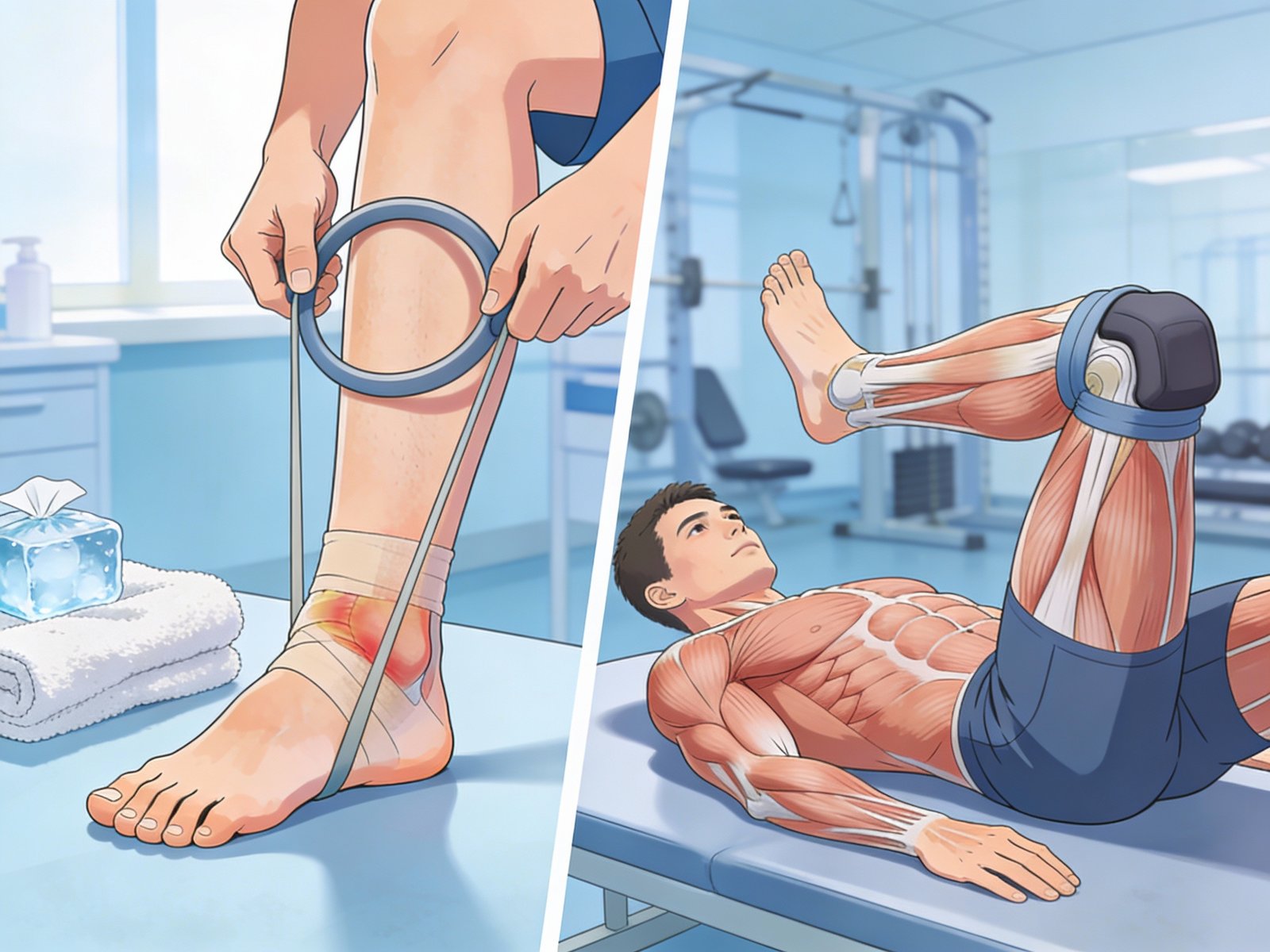
In the event that you are injured in the ankle or pull your hamstring, the initial response is to stop to the fullest extent. Although resting is essential during the initial phase but staying in a stooped position over a long period of time can cause stiffness, weakness, as well as a slow recovery. The reason why the early mobilisation phase comes in, a soft and guided method of movement which helps you get better healing and speedier. It’s just being aware of the best time you should begin, and the amount you can do will make an enormous difference.
What Early Mobilisation Really Means
A Balanced Approach to Recovery
It’s not about leaping to full-on exercise. It’s about controlled, pain-free moving that helps heal. Following the resting period, gentle mobility exercises help to keep joints and muscles healthy without putting strain on the affected area.
Why Movement Helps
The gentle early motion can
- Enhance blood circulation
- Minimize swelling
- Keep flexibility
- Prevent long-term stiffness
When to Start Moving After an Ankle Sprain
First 48 Hours: Keep It Protected
After an ankle sprain, inflammation and tenderness can be at their highest levels. The best time to adhere to RICE- Rest as well as Ice, Compression and elevation. Do not put all the weight on your ankle. Instead, concentrate on reducing pain.
After 2-3 Days: Introduce Light Movement
As soon as the initial pain starts to subside, start simple activities like the ankle circle, toe curl or even light weight-shifting. They will aid in healing, without overstressing the joint. One of the most fundamental rules is: if it causes acute discomfort, cease.
Slow Progression Works Best
Within the next couple of days, you will gradually increase the amount of movement. Gentle resistance, balance exercises, as well as gentle strength training can aid in restoring stability and reducing the chance of sprains in the future.
Early Mobilisation After a Hamstring Pull
0-72 Hours: Gentle and Minimal Activity
If you are suffering from hamstring pain, do not stretch during the first few days. The stress of stretching too early can cause strain. Remain on ice, take a break and walk slowly to the extent that you can.
Day 3-7: Controlled Range of Motion
If pain decreases, begin simple movements such as slow ankle swings, knee bent and simple strengthening exercises. This will help your muscle fibres to align properly and avoid the tightness and pain in the hamstrings can be left.
Why Timing Matters With Hamstrings
Hamstring pulls can have a higher probability of occurring again if handled properly. A prompt, careful mobilisation will ensure more supple healing as well as greater recovery.
When to Seek Help
If swelling continues to linger and your movement is sluggish, or pain is worsening, seeking guidance from a professional can be crucial. A skilled professional in physiotherapy in Gurgaon will develop an individual rehabilitation program and ensure you’re moving in a safe manner, and aid in recovering the strength you have lost without further risk of injuries.
Some reminders for recovery:
- Move only once the pain is less
- Beware of stretching too soon; the following muscles have been injured.
- Gradually increase intensity and build it slowly.
FAQs
Most moderate sprains will benefit from early movement, while severe strains might require more time to rest. A physiotherapist will guide you in the right direction.
It can delay healing only if it is done too early or vigorously. A gentle movement within 48 to 72 hours of rest is generally healthy.
If your pain or swelling becomes greater, your body’s telling you to reduce your pace.
Depending upon the extent of the condition, you could get back to sports in 2 to 6 weeks. However, it must be done with adequate rehabilitation.
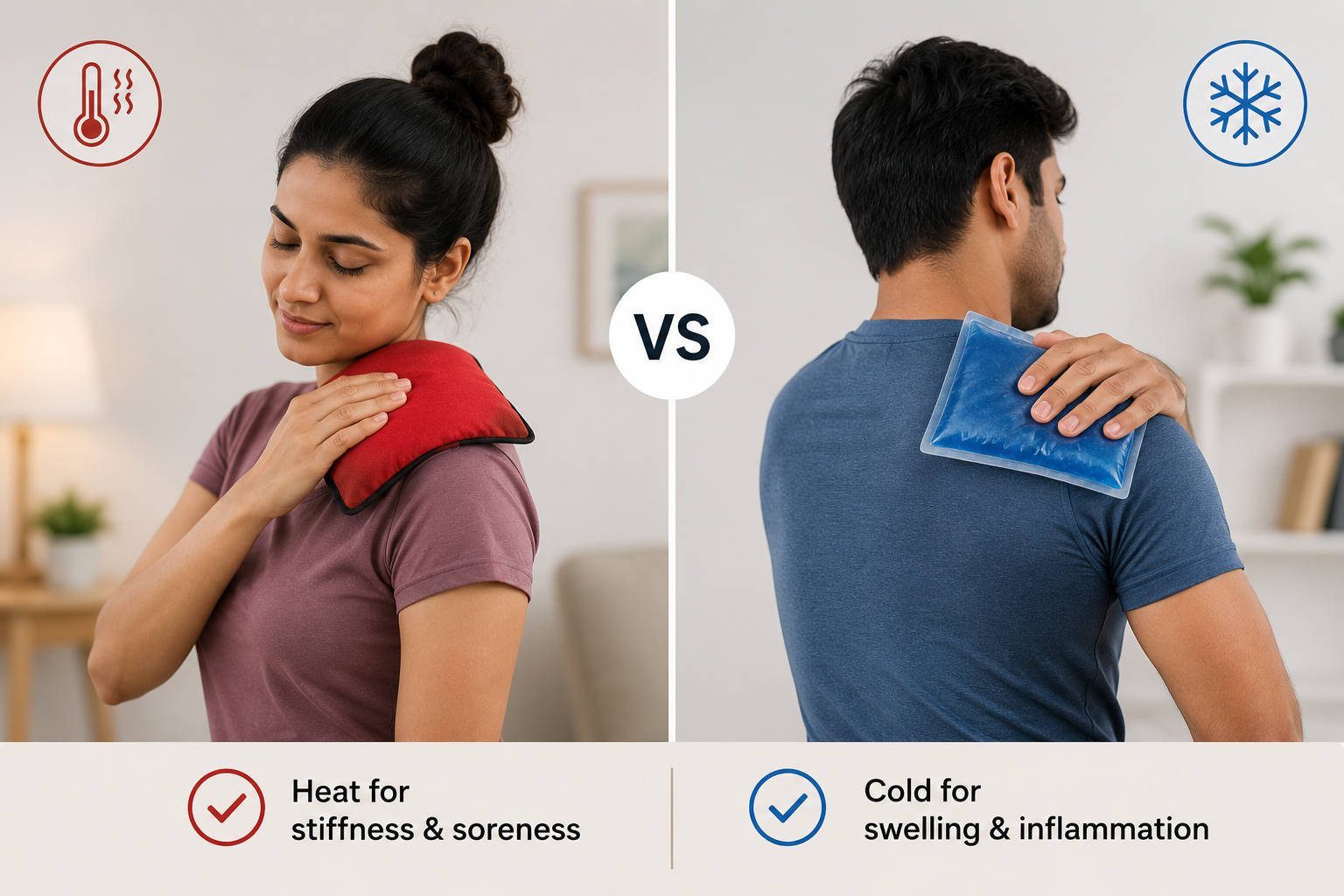
Use cold for the first 24 days. Heating can relax muscles after swelling has diminished.












Post Comment