Simple Breathing and Stress-Reduction Techniques for Heart Patients
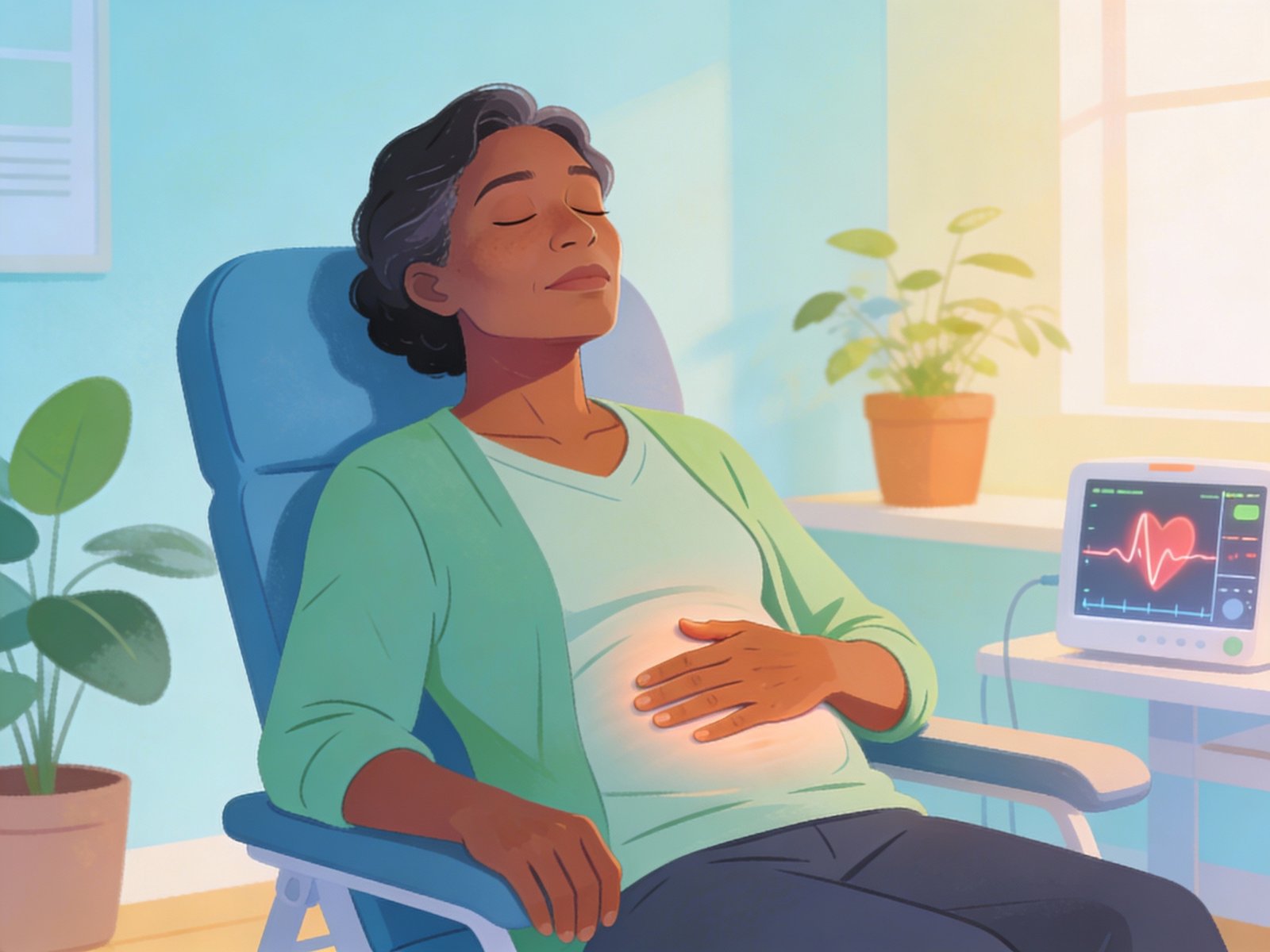
Being a person with heart disease isn’t easy–not only physically, but mentally too. Anxiety, stress and worry can enter your life effortlessly, making the heart work more. Even though regular health checks and medication are vital, regular routines can make a big improvement. Relaxation exercises, gentle breathing and stress reduction methods are simple to master, secure, safe, and aid in calming your body and improving the health of your heart.
How to manage stress is important to Your Heart
In times of stress, the body releases hormones, which can boost the rate of heartbeat as well as blood pressure. If someone has heart issues, the extra stress may be damaging over long periods of time. The ability to slow down is not just good for your health, but it also eases the strain on the body’s heart. A small amount of time to relax every day could have long-lasting advantages.
Easy Breathing Strategies to calm your heart
The act of breathing may appear simple and easy, but if you do it correctly, it will help to reduce anxiety almost immediately. It doesn’t require any equipment, only an hour of quiet.
1. Deep belly breathing
Deep belly breathing can help oxygen get to your body faster and signalise your nervous system to ease up.
What is it:
- Relax or lie down.
- Take a deep breath slowly, breathe through your nose and let the belly expand.
- Inhale slowly through your mouth.
- Repeat for 5-10 minutes.
There is a general feeling of peace and concentration within a couple of minutes.
2. Pursed-Lip Breathing
This can be particularly helpful when you are feeling tired or nervous.
Steps:
- Breathe by blowing it into your nostrils.
- Take a deep breath and exhale through your lips with a pursed mouth as if blowing air through straws.
- Inhale for a longer period than you exhale.
This method helps to slow down your heart rate and breathing in a natural way.
Gentle Stress-Reduction Practices
Breathing can be a great way to relax when you combine it with simple relaxation techniques that are simple.
Mindfulness
Mindfulness involves paying focus on the present. Concentrate on your breathing and your heartbeat, or the simple things in the surroundings. It can help calm racing thoughts and help reduce stress.
Muscle Relaxation
The signs of stress are usually tightness around the neck, shoulders or in the back. By gently tensing and relaxing various muscles can ease this tension and leave you feeling more relaxed and lighter.
Make relaxation a regular Habit.
It’s not necessary to do long sessions, just a couple of minutes per day. Choose a time that is quiet, perhaps in the morning, or just before going to you go to bed. Then, practice these methods frequently. In time, your heart will be benefited as will your brain. It’ll feel more relaxed, and your daily activities become less stress-inducing.
For patients with heart conditions who require assistance with their heart, Online Physiotherapy Services will help you master the safest and most personalised breathing as well as relaxation exercises at home.
FAQs
Yes, the gentle methods are safe and usually suggested by medical professionals.
Even five to ten minutes a day can bring tangible advantages.
Yes, the reduction of stress reduces blood pressure, decreases heart rate, and lessens stress on the heart.
Absolutely. They can help relax the mind and ease anxiety and tension.
They can provide qualified guidance and instruction, personalised exercises, and continuous assistance specifically designed for patients with heart disease and their families from the comfort of your own home.












Post Comment