Respiratory Physiotherapy: A Key to Better Breathing and Improved Lung Health
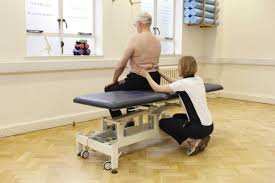
Respiratory health plays a vital role in maintaining overall well-being and quality of life. Conditions affecting the lungs and airways can make simple daily activities challenging and reduce physical endurance. This is where Respiratory Physiotherapy becomes an essential part of treatment and recovery. It is a specialized branch of physiotherapy that focuses on improving lung function, clearing airway secretions, enhancing breathing efficiency, and helping individuals regain independence in their daily lives.
Respiratory physiotherapy is beneficial for people suffering from chronic respiratory conditions, post-surgical complications, and acute lung infections. Through targeted exercises and evidence-based techniques, physiotherapists help patients improve breathing patterns, increase oxygen intake, and reduce respiratory distress.
What is Respiratory Physiotherapy?
Respiratory physiotherapy involves a range of therapeutic techniques designed to improve the function of the respiratory system. The treatment focuses on clearing mucus from the lungs, strengthening respiratory muscles, improving ventilation, and enhancing overall lung capacity.
Physiotherapists assess each patient’s condition and create personalized treatment plans based on their symptoms, diagnosis, and physical capabilities. The goal is to help patients breathe more comfortably and prevent further respiratory complications.
Conditions Treated with Respiratory Physiotherapy
Respiratory physiotherapy is effective for managing various respiratory disorders, including:
- Chronic Obstructive Pulmonary Disease (COPD)
- Asthma
- Bronchiectasis
- Pneumonia
- Cystic Fibrosis
- Pulmonary Fibrosis
- COVID-19 Recovery
- Lung Cancer Rehabilitation
- Post-Thoracic Surgery Recovery
- Neuromuscular Disorders Affecting Breathing
Early intervention can significantly improve outcomes and reduce the risk of hospitalization.
Benefits of Respiratory Physiotherapy
Improved Airway Clearance
One of the primary goals of respiratory physiotherapy is to remove excess mucus and secretions from the lungs. This helps reduce infections and improves breathing efficiency.
Enhanced Lung Capacity
Breathing exercises and respiratory muscle training help expand the lungs and improve oxygen exchange, allowing patients to perform daily activities with greater ease.
Reduced Breathlessness
Patients experiencing shortness of breath can benefit from specialized breathing techniques that promote better airflow and reduce respiratory effort.
Faster Recovery
Respiratory physiotherapy accelerates recovery after surgery, respiratory infections, and prolonged hospitalization by restoring lung function and physical endurance.
Better Quality of Life
By improving breathing patterns and physical activity levels, patients often experience greater independence and overall well-being.
Common Techniques Used in Respiratory Physiotherapy
Deep Breathing Exercises
These exercises encourage full lung expansion and improve oxygen intake while reducing shallow breathing patterns.
Chest Physiotherapy
Chest percussion, vibration, and postural drainage techniques help loosen and remove mucus from the airways.
Diaphragmatic Breathing
Also known as belly breathing, this technique strengthens the diaphragm and promotes efficient breathing.
Pursed-Lip Breathing
Frequently used for COPD patients, this method helps maintain open airways and improves airflow.
Airway Clearance Techniques
Specialized methods are used to mobilize and remove secretions from the respiratory tract, making breathing easier.
Exercise Rehabilitation
Customized physical activity programs improve cardiovascular fitness, endurance, and respiratory efficiency.
Respiratory Physiotherapy Through Online Services
The advancement of telehealth has made respiratory physiotherapy more accessible than ever. Online physiotherapy consultations allow patients to receive expert guidance from the comfort of their homes. Physiotherapists can assess symptoms, demonstrate breathing exercises, monitor progress, and provide personalized treatment plans remotely.
This approach is particularly beneficial for individuals with mobility limitations, chronic respiratory conditions, or those living in remote locations. Online respiratory physiotherapy ensures continuity of care while maintaining convenience and flexibility.
Who Can Benefit from Respiratory Physiotherapy?
Respiratory physiotherapy is suitable for:
- Children with respiratory disorders
- Adults with chronic lung diseases
- Elderly individuals experiencing reduced lung function
- Post-surgical patients
- Athletes recovering from respiratory infections
- Patients recovering from COVID-19 and other severe respiratory illnesses
With proper treatment and guidance, patients can achieve significant improvements in breathing, mobility, and overall health.
Conclusion
Respiratory physiotherapy is an effective and non-invasive treatment approach that helps individuals manage respiratory conditions, improve lung function, and enhance their quality of life. Through specialized breathing exercises, airway clearance techniques, and rehabilitation programs, patients can experience better breathing and faster recovery. Whether managing a chronic respiratory condition or recovering from illness, respiratory physiotherapy provides valuable support for long-term respiratory health.
FAQs About Respiratory Physiotherapy
1. What is respiratory physiotherapy?
Respiratory physiotherapy is a specialized treatment that helps improve lung function, clear mucus, and enhance breathing efficiency in patients with respiratory conditions.
2. Who needs respiratory physiotherapy?
People with COPD, asthma, pneumonia, bronchiectasis, cystic fibrosis, post-surgical complications, and COVID-19 recovery can benefit from respiratory physiotherapy.
3. Can respiratory physiotherapy help with breathlessness?
Yes, breathing exercises and airway clearance techniques can significantly reduce breathlessness and improve oxygen intake.
4. Is respiratory physiotherapy available online?
Yes, online respiratory physiotherapy consultations provide expert guidance, breathing exercises, and personalized rehabilitation plans remotely.
5. How long does respiratory physiotherapy take to show results?
Results vary depending on the condition and severity, but many patients notice improvements in breathing and endurance within a few weeks of consistent therapy.
6. Is respiratory physiotherapy safe for elderly patients?
Yes, respiratory physiotherapy is safe and highly beneficial for elderly individuals experiencing respiratory difficulties or reduced lung capacity.
7. Can respiratory physiotherapy help after COVID-19?
Yes, it plays a crucial role in restoring lung function, improving breathing patterns, and increasing physical stamina after COVID-19 recovery.
8. How often should respiratory physiotherapy sessions be performed?
The frequency depends on the patient’s condition and treatment goals. A physiotherapist will recommend a customized schedule based on individual needs.













Post Comment